
Hot Keywords:
- All
- Product Name
- Product Keyword
- Product Model
- Product Summary
- Product Description
- Multi Field Search
Please Choose Your Language
Views: 0 Author: Site Editor Publish Time: 2026-09-08 Origin: Site


Ordering from the wrong manufacturer carries massive stakes for your business or personal enjoyment. You risk facing delayed lead times, compromised hull integrity, and poor warranty fulfillment. A single bad batch of pontoons can sink your season before it even begins. The pontoon market has reached a point of heavy saturation recently. Buyers now struggle heavily when distinguishing clever marketing claims from genuine manufacturing quality. You need a reliable, objective method to evaluate builders properly. This guide provides an objective framework for evaluating potential manufacturing partners thoroughly. We will explore essential construction standards, specific OEM capabilities, and long-term supplier reliability. You will learn exactly what to look for before signing any purchase order. It ensures you protect your investment entirely. Making informed decisions today prevents expensive headaches tomorrow. Your fleet deserves the best foundation possible.
Construction is paramount: Look beyond cosmetic finishes; prioritize weld quality, tube thickness, and deck material longevity.
OEM flexibility varies: Not all builders accommodate specialized requests (e.g., dedicated fishing layouts vs. commercial fleet builds).
Warranties require scrutiny: True manufacturer value is proven in after-sales support and parts availability, not just "lifetime" marketing promises.
Lead times dictate success: Transparent supply chain management is a critical indicator of a reliable partner.
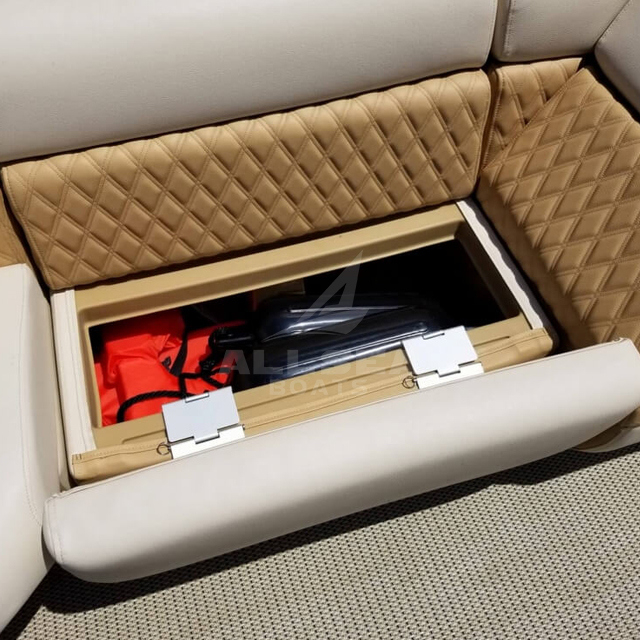
Buyers must identify their primary use case immediately. You cannot evaluate a builder without knowing your exact needs. Commercial rental fleets require extreme durability. Renters often lack driving experience. They bump into docks frequently. These boats need heavy-duty rub rails and tear-resistant vinyl flooring. Conversely, luxury retail buyers expect high-end finishes. They want plush upholstery, premium sound systems, and mood lighting. The manufacturing standards for these two groups differ wildly.
You must assess the capabilities of your chosen custom boat builder. Some builders only produce cookie-cutter models. Others support modular layouts. You might need to add livewells for a fishing resort. You might require reinforced towing points for watersports. Specialized seating arrangements often dictate passenger flow. A flexible builder adapts to these specialized requests easily. They integrate modular components seamlessly during the initial build phase.
Capacity and compliance remain non-negotiable elements. You must prioritize NMMA certification. This certification proves the builder adheres to strict safety protocols. Furthermore, USCG capacity plate compliance is mandatory. These plates dictate maximum passenger loads and horsepower ratings. Commercial operators face severe liability risks if they ignore these plates. Ensure your builder provides properly rated capacity plates for your specific market requirements.
Survey your end-users to determine absolute must-have features.
Request structural customization options upfront before discussing price.
Verify all NMMA and USCG certifications independently.
Cosmetic finishes often hide poor structural integrity. You must scrutinize tube construction closely. Standard pontoon tubes use .080 gauge aluminum. This thickness works fine for calm, inland lakes. However, heavy-duty applications demand .100+ gauge aluminum. Saltwater environments and commercial fleets require this thicker gauge. Multi-chambered, baffled pontoons add critical safety margins. If a puncture occurs, baffles prevent the entire tube from flooding. This engineering detail saves lives.
Welding techniques separate premium builders from cheap imitators. You should evaluate the welding methods carefully. Continuous TIG or MIG welding offers superior strength. Some builders rely on spot-welded brackets to save time. Spot welds often crack under continuous stress. Waves and heavy loads expose these weaknesses quickly. Stress-point reinforcement ensures the boat handles rough water safely.
Decking materials dictate the lifespan of your vessel. Traditional plywood decks pose significant risks. They suffer from water logging and eventual rot. Modern builders use composite decking instead. Composites eliminate rot entirely. Below the deck, examine the cross-members. Z-channel aluminum cross-members provide incredible structural rigidity. They outperform standard C-channel designs significantly. They prevent deck flex when passengers walk around.
Factory transparency builds trust. A reputable boat factory operates openly. They willingly share structural blueprints. They disclose their material sourcing transparently. If a builder hides their engineering specs, you should walk away immediately.
Component | Standard Industry Practice | Premium Build Standard | Primary Benefit of Premium |
|---|---|---|---|
Tube Thickness | .080 gauge aluminum | .100+ gauge aluminum | Resists dents and saltwater corrosion. |
Welding Style | Spot-welded brackets | Continuous TIG/MIG welding | Prevents stress fractures in rough water. |
Decking Material | Marine-grade plywood | Composite decking panels | Eliminates all risks of wood rot. |
Cross-Members | C-channel aluminum | Z-channel aluminum | Maximizes deck rigidity and passenger stability. |
Platform versatility defines top-tier manufacturing. A specialized OEM boat manufacturer adapts base models efficiently. They transform a basic hull into distinct niche vessels. A fishing layout requires open deck space and swivel chairs. A watersports layout needs wakeboard towers and heavy ballast options. Entertainment layouts feature expansive lounges and wet bars. True OEM partners engineer these variations from the ground up. They do not just bolt accessories onto a generic deck.
Pre-rigging capabilities streamline the final delivery process. You should evaluate their engine partnerships closely. The best builders integrate directly with major outboard brands. They work seamlessly with Yamaha, Mercury, and Suzuki. Factory pre-rigging ensures perfect gauge calibration. Pre-wired electronic networks prevent electrical gremlins later. Factory-installed wiring harnesses outlast dealer-installed alternatives. They seal connections against moisture properly.
You must map specific features to tangible outcomes. Do not buy features blindly. Lifting strakes represent a perfect example. They cost extra upfront. However, they force the boat to plane faster. They increase top speeds significantly. Under-deck skinning works similarly. This aluminum shielding reduces water drag underneath the deck. It improves overall fuel efficiency dramatically. Every customization should offer a clear return on your investment.
Adding heavy luxury features without upgrading the outboard horsepower.
Ignoring under-deck skinning on high-speed rental units.
Choosing generic wiring over brand-specific pre-rigged harnesses.
Marketing departments love the word "lifetime." You must decode these claims carefully. "Lifetime" rarely covers the entire vessel. You must break down the difference between structural and component warranties. Structural warranties typically cover the pontoon tubes and the deck framing. Component warranties cover upholstery, gauges, and electronics. Component warranties often expire after just one to five years. Read the fine print to understand your actual coverage.
Transferability protects your financial investment. Explain this to your purchasing department clearly. Transferable warranties maintain high resale values. If you sell the boat, the next owner inherits the protection. Non-transferable clauses represent a massive red flag. They suggest the manufacturer lacks confidence in their long-term build quality. Always demand warranty transfer options in writing.
Dealer networks dictate your operational uptime. A pontoon boat supplier is only as good as their parts department. They must ship replacement parts quickly. Downtime costs money. If a rental boat sits broken for three weeks, you lose thousands in revenue. Evaluate their distribution centers. Ask about average shipping times for proprietary components like corner caps or bimini hardware. Rapid support proves their true value.
Lead time transparency prevents scheduling disasters. You must understand the difference between quoted production times and realistic delivery windows. Sales representatives often quote best-case scenarios. The current manufacturing climate remains highly volatile. Delays happen frequently. A trustworthy builder provides realistic, buffer-built timelines. They communicate delays immediately rather than hiding them. Honesty matters more than optimistic promises.
Material sourcing risks threaten your delivery dates. Examine where the builder sources their components. Heavy reliance on single-source offshore components creates bottlenecks. If a foreign port shuts down, localized assembly lines stall completely. Ask them about their domestic supplier network. Builders holding large safety stocks of raw materials navigate crises better. They keep production moving when competitors shut down.
Contractual safeguards protect your upfront capital. Structure your deposits carefully. Do not pay the full amount upfront. Tie payments to specific manufacturing milestones. You can release funds when the tubes are welded. You can release more when the deck is installed. Include delivery clauses to protect against indefinite production delays. Penalty clauses encourage the builder to prioritize your order.
You need hard data before finalizing your choice. Start by asking about their specific warranty claim denial rate. A high denial rate indicates adversarial customer service. They likely look for loopholes to avoid paying claims. A low denial rate suggests they stand behind their product firmly.
Next, ask for structural cutaways. Can they provide factory floor tours? Seeing the production line reveals their true quality control. You can observe their welding stations directly. You can inspect how they handle raw aluminum. Visual proof outweighs glossy brochures.
Furthermore, ask how they handle post-delivery defect resolution. Mistakes happen in every factory. The recovery process matters most. Do they dispatch mobile technicians? Do they force you to tow the boat hundreds of miles to a dealer? Clear resolution protocols save massive headaches later.
Finally, utilize a strict framework for your final decision. Weigh the upfront cost against long-term maintenance, lifetime depreciation, and overall supplier reliability. Cheaper boats often cost more over a ten-year lifespan. They break down faster. They depreciate heavily. Focus on long-term financial impact rather than just the initial invoice price.
Choosing a reliable pontoon boat manufacturer requires intense scrutiny. You must look far past showroom aesthetics. Flashy upholstery means nothing if the underlying welds crack under pressure. Evaluating factory-level engineering ensures your fleet remains safe and operational. Corporate reliability dictates how well they support you after the sale.
Take immediate action to secure your investment. First, request detailed technical spec sheets from every shortlisted builder. Next, verify their NMMA certifications and USCG compliance independently. Finally, compare standard features versus optional add-ons meticulously across different brands. This diligent approach guarantees you select a manufacturing partner capable of delivering lasting quality.
A: An OEM manufacturer designs and builds the vessel from raw materials. They offer direct-to-builder customization, handle bulk ordering, and provide brand-level integration. A standard dealer simply purchases finished boats from the OEM for retail selling. Dealers rarely accommodate structural customizations.
A: It typically takes a factory between 8 to 16 weeks to build a custom vessel. However, realistic ranges fluctuate based on seasonal demand and supply chain constraints. Ordering during peak winter months often extends these timelines due to high dealer volume.
A: Not always. You must balance durability with weight constraints. Thicker tubes (.100+ gauge) are necessary for saltwater, rough water, or heavy commercial use. However, they add significant weight. This extra weight may require you to purchase higher horsepower outboards to maintain performance.
A: You should prioritize extreme durability and simplified maintenance. Highlight the need for heavy-duty vinyl flooring instead of carpet. Look for robust rub rails, simplified analog electronics, and minimal luxury add-ons. Rapid parts replacement support is crucial to keep your rental fleet profitable.


