
Hot Keywords:
- All
- Product Name
- Product Keyword
- Product Model
- Product Summary
- Product Description
- Multi Field Search
Views: 0 Author: Site Editor Publish Time: 2025-11-13 Origin: Site


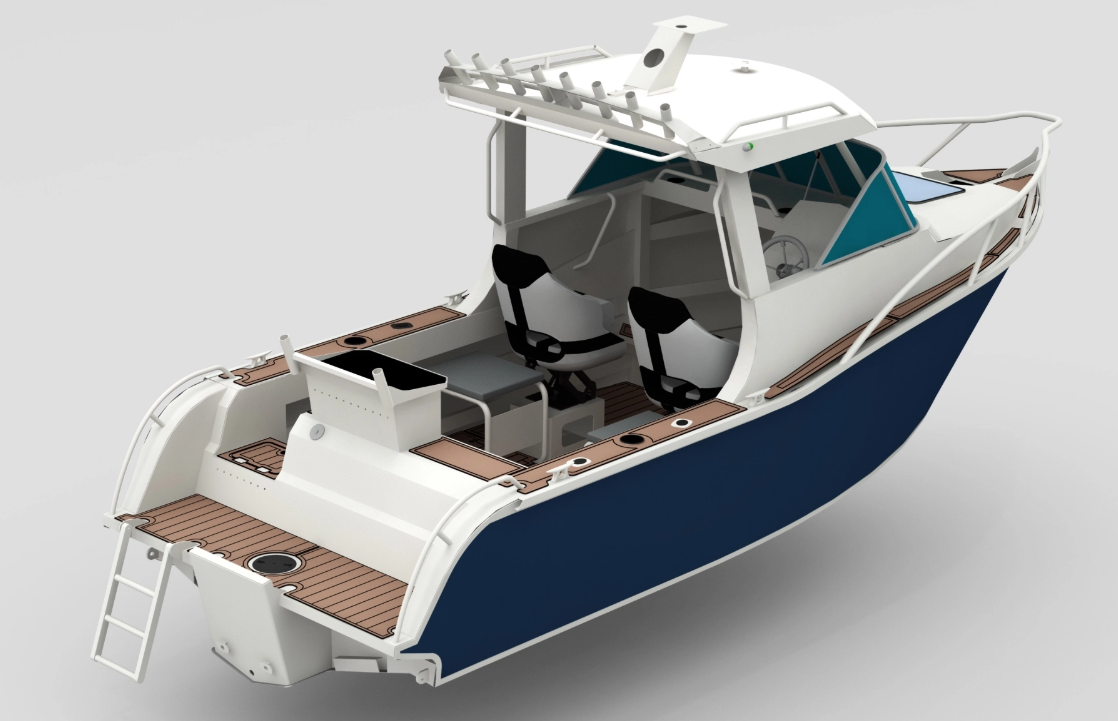
You may really like how aluminum cuddy cabin boats mix strength and looks. These boats have a strong aluminum hull, so they are sturdy on lakes or near the coast. The small cuddy cabin gives you a place to rest or hide from the sun. Families, people who fish, and weekend adventurers like the comfort and options. You can trust these boats to last, be easy to use, and have lots of space for gear or friends.
Aluminum cuddy cabin boats are tough and light. They are easy to pull with a car. They do not use much fuel.
These boats have a small cabin for resting. The cabin keeps you safe from the sun and wind. You can relax inside during trips.
Taking care of the boat is easy. Rinse it after you use it. Look for any damage. Clean it often to keep it nice.
Pick the hull design that fits your needs. Basic hulls cost less money. Walkaround hulls are good for fishing. Express hulls are best for comfort.
Aluminum boats are strong and last a long time. They can last for many years. You can feel safe while you have fun on the water.
Aluminum cuddy cabin boats mix comfort and strength. They use marine-grade aluminum. This metal can handle bumps and scrapes. It also does well in salty water. The hull feels light but is tough. The cuddy cabin sits at the front. It gives you a cozy place to relax or store gear. You can sit inside and get out of the sun. You can even take a nap.
These boats have welded hulls. This helps the boat stay strong if you hit something. If you need a repair, you can fix just one part. You do not have to fix the whole boat. Aluminum is lighter, so you move faster on the water. You also save fuel. Some people think fiberglass boats look nicer. But new aluminum boats can shine with polished or painted finishes.
Tip: Aluminum cuddy cabin boats are easy to tow and launch. Their lighter build makes them a great choice.
You might wonder what makes a good aluminum cuddy cabin boat. Here are the main features you will find:
Feature | Description |
|---|---|
Marine-Grade 5083 Alloy | Resists pitting, cracking, and corrosion even in saltwater. |
Foam-Filled Hull | Increases buoyancy, dampens noise, and boosts overall stability. |
Enclosed Berth or Seating | Provides enough headroom to sit comfortably, plus windows or vents for airflow. |
Secure Cabin Door | Quality latching system keeps weather and water out. |
Accessible Deck Layout | Wide walkways or foredecks for anchor access and easier docking. |
Shock-Absorbing Seats | Comfortable seating at the helm to reduce fatigue on longer rides. |
Basic Amenities (Optional) | Small head, freshwater sink, or convertible dinette for weekend excursions. |
You will see some other important parts too. Lower weight helps you move quickly and use less fuel. Aluminum does not rust easily, but you should check for wear. This is important if you use your boat in saltwater. Welded hulls handle bumps better than many other boats. Repairs are often simple. Modern aluminum cuddy cabin boats can look as nice as fiberglass models.
When you step onto one of these boats, you notice the difference. The deck gives you space to move around. The cabin keeps you comfortable. This boat works for fishing, family trips, or relaxing on the water.
When you look at aluminum cuddy cabin boats, you notice how the hull shapes change what you can do on the water. Some boats have a basic cuddy style. This means you get a small forward cabin and simple storage. You save money and keep the boat light, but you might not have much room to stretch out. If you want more space to walk around, a walkaround cuddy gives you side decks and a protected helm. You can reach the bow easily, which helps if you like fishing or anchoring. The express cuddy style puts the cabin under a raised helm. You get more room inside, maybe even a tiny kitchen or bathroom. This design feels great for overnight trips, but it adds weight and cost.
Here’s a quick look at the most common hull designs:
Style | Defining Traits | Advantages | Drawbacks |
|---|---|---|---|
Basic Cuddy | Minimal forward cabin, simple amenities | Lightweight, lower cost | Less headroom, short rest |
Walkaround Cuddy | Wraparound decks, protected helm | Easy bow access, good fishing | Heavier hull |
Express Cuddy | Cabin under raised helm, more amenities | Comfortable, more space | Higher cost, more weight |
Tip: If you want to fish and move around the deck, the walkaround cuddy style makes things easier.
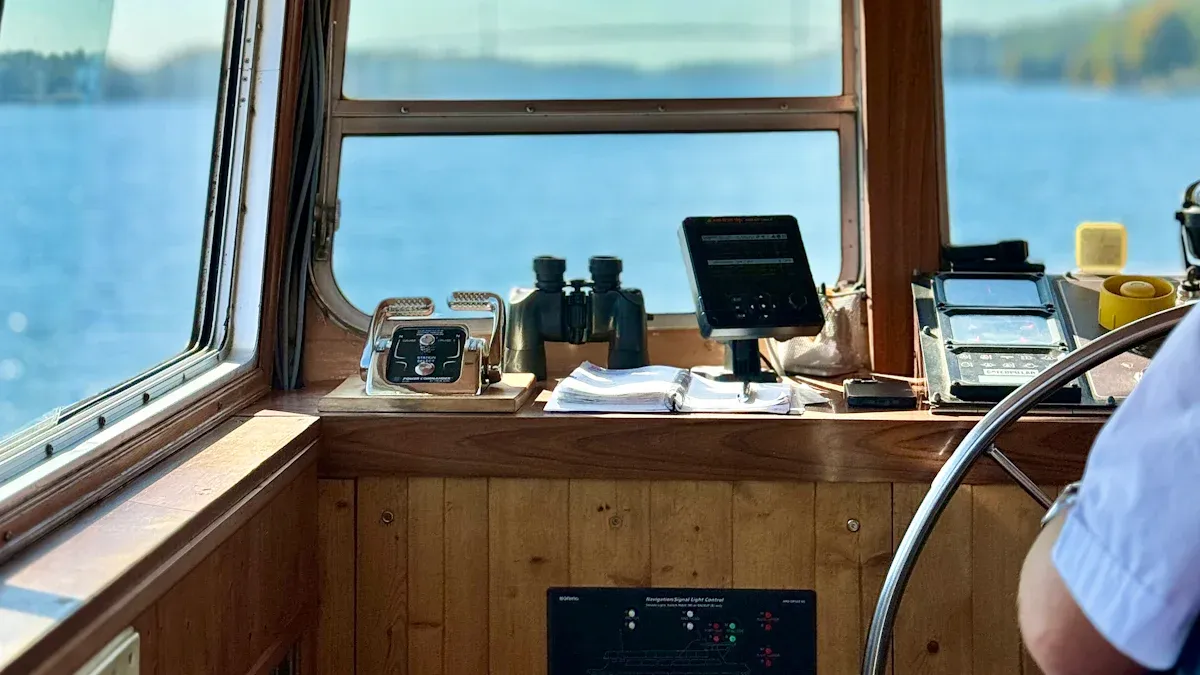
Step inside the cabin, and you find a cozy space that helps you relax. Most cabins have padded benches or a small berth. You can sit down, take a nap, or store your gear. Some cabins include windows or vents, so you get fresh air. If you plan to spend the night, look for a boat with a convertible dinette or a small head. You might see a freshwater sink or extra storage. The layout changes from boat to boat, but you always get a spot to escape the sun or wind.
Padded seating for comfort
Storage for gear and supplies
Windows or vents for airflow
Optional amenities like a sink or small toilet
Aluminum makes these boats stand out. You get a lighter boat, so you can tow it with a smaller car and launch it without much effort. Aluminum costs less than fiberglass, so you save money. You don’t need to paint it often, and you can clean it with a hose. If you bump into something, you can fix dents easily. Fiberglass might crack, but aluminum just bends. You can use your boat in shallow water or tight spots because it handles well.
Here’s why aluminum cuddy cabin boats work so well:
Benefit | Description |
|---|---|
Lightweight | Easy to tow and launch, needs smaller engine |
Cost Effective | Cheaper to buy and own |
Easy to Maintain | Simple cleaning, no need for regular painting |
Easy to Repair | Dents fix quickly, repairs cost less |
Versatile | Handles shallow water, easy to navigate |
Note: Aluminum resists rust, so your boat lasts longer, even in saltwater.
You want a boat that can handle bumps and keep going strong. Aluminum cuddy cabin boats give you that peace of mind. The hull flexes when you hit something, so it springs back instead of cracking. Fiberglass boats can break or crack if you run into rocks or docks. Aluminum resists punctures and does not get brittle in the sun. You can use your boat for years without worrying about major damage. Scientists say aluminum absorbs impacts better than fiberglass. That means you spend less time fixing your boat and more time enjoying the water.
How long will your boat last? Take a look at this table:
Material | Expected Lifespan (Years) |
|---|---|
Aluminum | 20-30+ |
Fiberglass | 30+ |
Wooden | 20-50 |
Steel | 30+ |
Aluminum cuddy cabin boats often last for decades. You get a boat that stays tough season after season.
You notice the difference as soon as you tow or launch your boat. Aluminum weighs less than other materials. You can use a smaller vehicle to pull your boat to the lake. On the water, the lighter hull helps you move faster and use less fuel. You do not need a big engine to get good speed. If you want to fish or cruise, you can reach your spot quickly. The boat handles well in shallow water and tight spaces. You feel more in control, and you save money on gas.
Tip: A lighter boat means easier storage and less hassle at the ramp.
You do not want to spend all weekend cleaning or fixing your boat. Aluminum cuddy cabin boats make maintenance simple. Here are some easy steps you can follow:
Rinse the hull and deck after each trip to wash away salt and dirt.
Check welds and rivets for cracks or loose spots.
Open cabin hatches or use fans to keep air moving and stop mold.
Service the engine on schedule—change oil, filters, and gear lube.
Clean seats and floors quickly, and use sprays to protect them.
You spend less time on chores and more time having fun. Aluminum does not need much paint, and you can fix dents without special tools. Your boat stays looking good with just a little care.
You might love how easy it feels to fish from these boats. The open deck gives you space to cast your line or set up your gear. You can walk around the sides or sit in the cabin if you want a break. Many people use these boats for day trips on lakes, rivers, or even coastal waters. The hull handles choppy water, so you stay steady while you fish or cruise.
If you enjoy cruising, you get a smooth ride and a place to relax. The cabin lets you escape the sun or wind. You can bring friends or family and spend the day exploring new spots. Some models have rod holders, live wells, and extra storage for your catch. You do not need a big boat to have fun on the water.
Tip: Bring a cooler and snacks. You can spend hours fishing or just drifting along the shoreline.
You may want to stay out on the water after sunset. Aluminum cuddy cabin boats make this easy. The cabin gives you a cozy spot to sleep or rest. You get enough room for a sleeping bag or two. The enclosed space keeps you dry and comfortable, even if the weather changes.
Here are some reasons these boats work well for overnight trips:
You get a balance of comfort and function. The cabin is not too big, but it has what you need for a night away.
The boat resists corrosion and damage, so you can trust it for short adventures.
You spend less time on upkeep. These boats need less maintenance than many other small cabin boats.
The cuddy cabin gives you privacy and a safe place to store your things.
You can use the boat for both day trips and overnight stays without feeling cramped.
If you want to try sleeping on the water, these boats offer a simple way to do it. You do not need a large yacht. You get just enough space to enjoy the night and wake up ready for more fun.
When you look at boats, you often see two main choices: aluminum or fiberglass. Each one feels different on the water. Here’s what you notice:
Aluminum boats weigh less. You tow them with smaller cars and use less fuel. They move faster and cost less to run.
Fiberglass boats feel heavier. This weight gives you a smoother, quieter ride, especially in rough water.
Aluminum stands up to bumps and scrapes. It resists corrosion and handles harsh places. You fix dents easily.
Fiberglass can crack if you hit something hard. It needs more care to keep it looking good.
Aluminum boats need less maintenance. You spend less time and money on repairs.
Fiberglass boats need regular cleaning and checks to avoid problems like osmosis.
Tip: If you want a boat that is easy to own and fix, aluminum makes life simple. If you want a quiet, smooth ride, fiberglass might suit you better.
Choosing between a cuddy cabin and an open bow changes how you use your boat. Here’s a quick look:
Feature | Cuddy Cabin Boats | Open Bow Boats |
|---|---|---|
Shelter and Privacy | Offers shelter and privacy for overnight trips | Lacks enclosed space for overnight comfort |
Space | Can be cramped for larger groups | More space for activities and groups |
Weather Protection | Protects from rain and sun | Less protection from the elements |
Activity Suitability | Good for overnighting and big water | Great for skiing, tubing, family fun |
Comfort | Can get hot and stuffy | More comfortable for seating |
Safety | Safer in rough water | Less safe in big waves |
You get shelter and privacy with a cuddy cabin. Open bow boats give you more room for friends and fun.
You want to know what makes aluminum cuddy cabin boats stand out. Here are some things to think about:
You can change and customize aluminum boats for fishing or family trips.
These boats work well for many uses, like fishing, cruising, or watersports.
You spend less time on upkeep. Cleaning and repairs are simple.
Aluminum boats can be noisy in choppy water.
Some people think they look more industrial than fiberglass boats.
The metal can get hot in the sun, so the cabin may feel warm.
You may pay more upfront for some aluminum models, but you save on repairs and fuel.
Note: Watch out for electrolysis if you keep your boat in saltwater. Regular checks help prevent problems.
You might wonder how much these boats cost. Prices start at $4,599 for simple models. Fancy boats can cost up to $859,022. Many things change the price. Tariffs on aluminum can make boats cost more. The price of aluminum goes up and down. This depends on how much people want and how much is made. Boat makers change their prices when costs change.
Factor | Description |
|---|---|
Tariffs on Aluminum Imports | New tariffs can make aluminum cost more, so boats get pricier. |
Cost of Raw Materials | The price of aluminum changes with supply and demand, so boats can get more expensive. |
Pricing Strategies of Manufacturers | Big companies change their prices if aluminum or tariffs change. |
If you want more features, you will pay more. Cheaper boats have fewer comforts. You might not get everything you want.
Think about how many people you want to bring. Most boats are 18 to 32 feet long. Small boats are good for fishing or small families. Big boats give you more room for sleeping and gear. Always check how many people the boat can hold. Bigger boats are better in rough water. They also feel more comfortable.
New boats come with many cool things. You might get rod holders and places to keep your fishing stuff. Some boats have beds and bathrooms if they are big. Weather protection keeps you dry and warm. Look for marine-grade alloy, foam-filled hulls, strong cabin doors, and soft seats. These things make trips safer and more fun.
Rod holders and storage
Livewells and fish boxes
Overnight berth
Private head (in bigger boats)
Weather protection
You want a boat from a brand you trust. Some good brands are Novielli Boats, Silver Streak, and Weldcraft. Novielli Boats are known for quality and family layouts. Silver Streak lets you pick options and has good insulation. Weldcraft’s Cuddy King has full cabins and keeps you safe from bad weather. These brands are popular in the Pacific and North America.
Tip: Pick a brand with good reviews and helpful support. A good company makes owning a boat easier.
Keeping your aluminum cuddy cabin boat clean helps it last longer and look sharp. You want to rinse your boat with fresh water after every trip, especially if you’ve been in saltwater. Use a dedicated aluminum boat cleaner or a low-micron cleaner for tough spots. If you want a quick clean, car soap works well. Mix it with water, scrub with a soft sponge or brush, then rinse and dry. Don’t forget to flush the engine systems and apply protective waxes or polish to exposed metal. This keeps corrosion away and makes your boat shine.
Simple cleaning steps:
Rinse the boat with fresh water.
Prepare a soap solution.
Scrub all surfaces gently.
Rinse thoroughly.
Dry the boat completely.
Tip: Always dry your boat after washing to prevent water spots and corrosion.
You should check your boat regularly to keep it running smoothly. Look over the hull, welds, and rivets for any signs of damage. Inspect the electrical system and make sure all lights and electronics work. If you use your boat in saltwater, routine checks become even more important. Seasonal care, like checking insulation and sound dampening, helps prevent moisture buildup. Closed-cell foam insulation works best, but make sure the surface is sealed with epoxy first. This keeps moisture out and stops corrosion.
What to check:
Hull and cabin for dents or cracks
Electrical system and battery
Engine and fuel lines
Insulation and sound dampening materials
Note: Spray foam insulation can make repairs harder if welding is needed, so choose wisely.
Storing your boat the right way protects it during winter and keeps it ready for next season. You can keep it in your garage, a storage shed, or a private parking area. Make sure the space is clean and organized. Use a durable tarp or a high-quality cover to shield your boat from the weather. Before storing, inspect key areas, clean the boat, and remove the drain plug to prevent freezing. Change the engine oil, spray fogging oil, and add stabilizer to the gas tank.
Storage Option | Key Tips |
|---|---|
Garage | Clean and organize before storing |
Storage Shed | Check shed material and size |
Private Parking | Use a strong tarp for protection |
Tip: Winterizing your boat prevents damage and saves you money on repairs.
Aluminum cuddy cabin boats give you a strong, light, and comfortable ride. You get these top benefits:
Enhanced durability—less worry about cracks or dents
Weight advantages—easy towing and better fuel savings
All-weather readiness—shelter from sun, wind, or rain
Think about what matters most to you. Ready to start?
Check out different layouts and features
Look at engine choices
Learn about easy maintenance
Set your budget and explore your options
You can find the perfect boat for your adventures!
You get a boat that’s easy to handle and simple to maintain. The lightweight hull helps you launch and tow without trouble. You spend less time on repairs and cleaning. You can focus on having fun on the water.
Rinse your boat with fresh water after every trip. Use a marine-grade cleaner for tough spots. Apply protective wax or polish to exposed metal. Check welds and rivets often. Store your boat with a cover to keep moisture away.
Yes, you can! Aluminum resists corrosion, especially if you choose marine-grade alloy. Just remember to rinse your boat after each trip and check for any signs of wear. Saltwater use is common, but regular care keeps your boat in top shape.
Look for padded seating, wide walkways, and secure cabin doors.
Storage for gear and snacks helps a lot.
Windows or vents keep the cabin cool.
Safety rails and non-slip decks make trips safer for kids.
Expense Type | Typical Cost Range |
|---|---|
Purchase Price | $4,599 – $859,022 |
Annual Upkeep | $500 – $2,000 |
Storage | $300 – $1,200 |
You save money on repairs and fuel compared to heavier boats.


